Interest-Based Social Apps: Find Like-Minded People Fast
Interest-based social apps work best when they help you filter people by what you actually want to do, not just who they are.

Whether you want local friends, hobby groups, or niche communities, the right app should make matching simple and reduce time spent on irrelevant chats.
Learn how to choose new connections faster
See how to compare apps for your best match
Step-by-step guide to picking the perfect chat app
Before choosing one, check the matching quality, privacy settings, and whether the app supports your specific interest.
A good app should also make it easy to see active users, join real conversations, and avoid empty profiles that waste your time.
If you are comparing options, look for clear profile controls, moderation tools, and any paid features that affect visibility or access. That way, you can choose a platform that fits your goals without overspending or exposing too much personal information.
What Interest-Based Social Apps Are and Why They Are Growing
Interest-based social apps are platforms built around hobbies, goals, and communities instead of broad social feeds. They help people discover others who already share a clear reason to connect, such as fitness, travel, gaming, parenting, or local events.

That focus is why they are growing: users want faster matching, fewer random conversations, and more useful introductions. Many people also prefer apps that make it easier to test a community before committing to a paid plan.
For comparison, the best platforms usually balance active membership with privacy controls, moderation, and simple search tools. If those pieces are missing, the app may look crowded but still deliver weak matches.
Key Features That Drive Engagement and Retention
The best engagement drivers in interest-based social apps are the ones that make people feel matched, supported, and rewarded for staying active.

Look for features that reduce friction and give users a reason to return without creating spammy activity.
- Fast onboarding with interest selection and profile setup
- Relevant discovery tools, such as filters and topic-based search
- Recognition signals like badges, upvotes, or streaks
- Moderation and safety tools that keep groups usable
- Clear notifications that highlight real conversations, not noise
Apps with built-in progress cues, community challenges, or small rewards often keep members engaged longer, especially when the interface makes the next step obvious.
If you are comparing paid plans, check whether premium features improve visibility, add better matching, or simply unlock more reach. That distinction can help you avoid paying for features that do not actually improve retention.
Best Use Cases for Communities, Dating, Networking, and Niche Groups
Different interest-based social apps work better for different goals, so the best choice depends on what kind of connection you want.

Communities are usually best for ongoing discussion and shared support, while dating-focused apps work better when shared interests need to lead to chemistry and availability.
| Use case | What to look for | Main risk |
|---|---|---|
| Communities | Active groups, strong moderation, easy topic filtering | Inactive threads and weak participation |
| Dating | Clear profiles, intent filters, privacy controls | Mismatch between hobbies and relationship goals |
| Networking | Professional interests, location tools, message quality | Overly broad matching and self-promotion |
| Niche groups | Deep topic matching, low-noise feeds, trusted members | Small user pools and limited local activity |
If you want fast results, start with the use case that matches your highest priority: social connection, romantic compatibility, professional value, or specialized conversation.
That simple filter helps you avoid paying for features you will not use and makes it easier to compare apps based on real fit instead of broad popularity.
How to Choose the Right Interest-Based Social App for Your Audience
Start by matching the app to your audience’s age, goals, and online behavior. The best interest-based social apps are the ones your users will actually open, not the ones with the most features.

Next, compare how each platform segments people by interests, location, and intent. Strong audience targeting matters because it helps you reach the right users faster and keeps your messaging relevant.
- Who is most likely to join and stay active
- Whether the app supports your niche or community size
- How much moderation and privacy control is included
- What premium features cost and what they unlock
- Whether search and discovery feel accurate in practice
Before committing, test the app with a small group and watch for active participation rather than profile count alone. A smaller, responsive audience usually delivers better value than a large but inactive one.
If you are choosing between platforms, use the same logic brands use for channel selection: know the audience first, then match the app to the message and the outcome you want.
Costs, Monetization Models, and Revenue Opportunities
Most interest-based social apps use a freemium model, where basic discovery is free and paid plans unlock extras like advanced filters, profile boosts, or expanded messaging.

That makes it important to check whether the paid tier improves match quality or only increases visibility.
Some apps also earn revenue through subscriptions, in-app purchases, event fees, or promoted placements. For users, the main risk is paying for convenience that does not lead to better conversations or stronger community access.
| Model | What you may pay for | Best for | Watch out for |
|---|---|---|---|
| Freemium | Limited free access, premium tools | Trying the app first | Important features locked behind payment |
| Subscription | Ongoing access to premium features | Frequent users | Recurring cost without clear value |
| In-app purchases | Boosts, credits, or extra actions | Short-term visibility | Small charges that add up |
| Events or promotions | Ticketing or featured placement | Local communities and creators | Paying for reach instead of real engagement |
If you are building an app or community, revenue works best when paid features support trust, discovery, and participation.
If you are a user, choose the plan that matches your activity level and avoid upgrades until the free version proves its value.
Privacy, Safety, and Moderation Requirements
Privacy and safety should be built into interest-based social apps from the start, not added after users are already exposed.
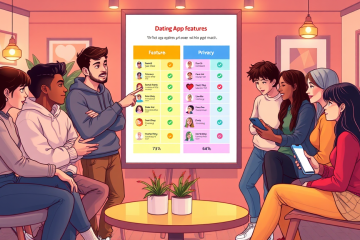
That means clear profile controls, limited data collection, and settings that let people control who can message, view, or search for them.
For apps that may attract younger users, compliance matters too. The FTC’s COPPA rules apply to services directed at children under 13, so age handling and parental consent cannot be treated as optional.
On the safety side, content moderation should define what is allowed, what gets removed, and how reports are reviewed. Strong moderation rules reduce spam, harassment, and scam activity, while privacy-by-design practices help keep user data exposed only where necessary.
If you are comparing platforms, look for reporting tools, block functions, and visible enforcement standards. Apps that explain their safety process clearly usually make better long-term communities because users can trust the space before they invest time or money.
Common Mistakes That Hurt Adoption and Growth
One common mistake is choosing large user counts over real activity. An app can look popular but still fail if profiles are inactive, searches are weak, or conversations never move forward.

Another problem is unclear positioning. If an app tries to serve every interest at once, users may struggle to find people who are actually relevant, which lowers trust and weakens retention.
Pricing can also slow adoption when the free tier is too limited or the paid tier does not clearly improve matching. Users usually stay longer when upgrades feel tied to better discovery, not just more screen time.
Finally, weak safety controls create fast churn because people leave after spam, harassment, or poor moderation. The best retention signal is a space that feels useful, focused, and safe from the first session.
How to Launch and Promote an Interest-Based Social App Successfully
Launching interest-based social apps starts with a narrow niche and a clear promise. Pick one audience segment first, then build the onboarding flow, profile prompts, and discovery tools around the exact reason people will return.

Before a public launch, test with a small beta group and measure whether users actually start conversations, join groups, or come back within a few days. That early activation signal tells you more than downloads alone.
For promotion, combine an app landing page, app store optimization, social content, and community partnerships so the message matches the audience. A short demo video and a clear use case usually work better than broad claims, especially for niche communities.
If you are budgeting for paid acquisition, compare the cost of traffic against the likelihood of repeat use. A focused launch with strong retention is usually safer than scaling fast before the app proves it can keep people engaged.