Dating App Selection: Choose the Best Option for Better Matches
Choosing the right app starts with your goal. If you want casual chats, a broad platform may work; if you want a serious relationship, look for a service built around compatibility and meaningful profiles.

Pay attention to membership cost, since many apps use a free version to attract users but place key features behind a paywall.
See how to boost your profile visibility and attract more connections
Discover how to avoid missed opportunities and land better matches
Understand how to sidestep common dating-app pitfalls
Also check whether the app supports the kind of photos, prompts, filters, and search options that matter most to you.
Trust and safety matter just as much as match quality. A good dating app selection should feel easy to use, have clear privacy controls, and reduce the chance of wasting time on low-effort profiles or mismatched expectations.
What to Look for Before You Sign Up
Before you sign up, review the total cost of using the app, not just the free trial. Some platforms look affordable at first but reserve messaging, advanced filters, or read receipts for paid plans.

Next, check the user base in your area and whether the app’s audience matches your dating goals. If the profiles you see are outside your age range, relationship style, or location, even a strong app will produce weak results.
It also helps to look at profile verification, blocking tools, and photo controls before you commit. A better privacy setup can save time and reduce unwanted contacts, which matters as much as match volume.
Free vs Paid Dating Apps: Which Option Delivers Better Results?
Free apps are often the best way to test the market, especially if you are still learning what kind of matches you want.

They usually give you enough access to build a profile, browse users, and see whether the app is active in your area.
Paid plans can improve the experience, but they do not guarantee better dates. In many cases, the main advantage is convenience: seeing who already liked you, using stronger filters, or getting more visibility when the app is crowded.
The real question is whether the upgrade fits your situation.
- Choose free first if you are new to online dating or want to compare apps.
- Pay if you are short on time and want faster sorting and fewer dead-end matches.
- Avoid subscriptions if the app’s local user base is small.
- Review the exact premium features before paying.
If you want a neutral comparison of how free and paid versions work, CNET’s dating app roundup is a useful place to compare features and user base expectations before committing.
Match Quality, Safety, and Privacy Features That Matter Most
Match quality is not just about the number of profiles you see. Look for apps that let you filter by distance, relationship intent, lifestyle, and deal-breakers so you spend less time on irrelevant matches.

Safety features matter just as much as compatibility. Profile verification, photo review, message controls, and easy blocking or reporting tools help reduce spam, scams, and unwanted contact.
Privacy controls should be easy to find before you commit. If an app lets you hide your profile from search engines, limit visibility, and control who can message you, it is usually a safer choice for long-term use.
| Feature | Why it matters |
|---|---|
| Strong filters | Improves match relevance and saves time |
| Verification | Helps confirm real profiles |
| Blocking and reporting | Reduces unwanted contact |
| Privacy settings | Gives you more control over exposure |
How Pricing, Membership Tiers, and Add-Ons Affect Your Experience
Pricing can shape your experience just as much as the app itself. A low monthly fee may look attractive, but the real value depends on which tools are included and whether they match how you actually date.
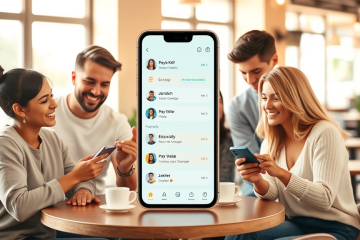
Many apps use tiered plans to separate basic access from premium features like advanced filters, visibility boosts, and who-liked-you views. That can help if you want faster sorting, but it is not worth paying for features you will never use.
Before upgrading, check for hidden add-on costs such as boosts, super likes, read receipts, or extra profile exposure. These extras can quietly raise your total spend, especially if the app pushes them often.
- Choose a tier only if it adds a feature you will use regularly.
- Compare the monthly price with the full list of included tools.
- Watch for one-time add-ons that may become recurring habits.
- Test the free version first if you are unsure about the app’s local activity.
If you want a simple rule, pay for convenience, not promises. The best membership tier is the one that improves match quality or saves time without creating unnecessary monthly pressure.
Best Dating App Categories for Different Relationship Goals
If you want casual dating, a large mainstream app usually gives you the widest pool and the fastest pace. These apps are often easier to start with, but you may need stronger filters to avoid mismatched intentions.

For serious relationships, choose platforms built around detailed profiles, compatibility prompts, and intent-based matching. They often cost more than casual apps, but they can save time if long-term dating is your main goal.
If your focus is niche dating, look for apps centered on shared values, religion, lifestyle, or identity. A smaller audience can still work well when the user base matches what you are actually looking for.
For older adults or people returning to dating, simpler apps with clear privacy settings and easy navigation are usually the best fit.
The best dating app selection is the one that matches your goal, your budget, and the type of people you want to meet.
Common Dating App Mistakes That Hurt Your Success
One of the biggest mistakes in dating app selection is choosing an app because it is popular, not because it fits your goal.

If you want a serious relationship, a fast-scrolling app with weak profile prompts can waste time and encourage shallow matches.
Another common problem is leaving your profile vague. People respond better when they can see who you are, what you want, and whether you are serious about meeting someone, rather than trying to guess from a few photos.
Many users also stay in conversations too long without checking for real interest. If someone is vague, inconsistent, or overly intense too soon, it is usually better to move on than invest weeks in a dead-end chat.
Before paying for premium tools, review whether the app actually improves your results or only adds more ways to spend money.
For a practical profile audit, this breakdown of common dating profile mistakes is a helpful reminder that clarity matters as much as activity.
How to Compare App Reviews, User Base, and Success Rates
App reviews are most useful when you read them for patterns, not star ratings alone.

Look for repeated comments about fake profiles, poor support, hidden charges, or inactive local users, since those issues can affect your results more than a polished feature list.
User base matters because even a great app cannot help if few people near you are active. Compare age range, relationship goals, and location coverage so the platform matches the kind of people you actually want to meet.
Success rates are harder to measure, so treat them carefully. If an app claims strong results, check whether it explains what success means, such as conversations started, dates arranged, or long-term matches, and make sure that definition fits your goal.
| What to compare | What to look for |
|---|---|
| Reviews | Repeated complaints or consistent praise |
| User base | Local activity and goal fit |
| Success claims | Clear, relevant definition of results |
When all three line up, you have a much better chance of choosing an app that is worth your time and money.
Final Checklist for Choosing the Right Dating App
Before you commit, do a final pass on your dating app selection and make sure the basics line up: your goal, your budget, and the kind of people active in your area.

Check that the app has enough users near you, useful filters, and clear safety tools like verification, blocking, and reporting. If those pieces are weak, even a popular platform can waste your time.
Also review the profile setup before paying. Good apps make it easy to show personality with photos and prompts, which can improve match quality more than a bigger subscription ever will.
If you still feel unsure, start free, test one app for a short period, and compare results before upgrading. For a broad market comparison of current options, Mashable’s dating app roundup is a useful reference point.
The best choice is the app that gives you the right mix of real users, practical features, and manageable cost.