Dating Apps for Singles: Find Better Matches Fast
Finding better matches starts with choosing a platform that fits your goal. Some dating apps for singles are built for quick browsing, while others focus on compatibility, long-term dating, or more selective profiles.

Look closely at the matching features before you sign up. A strong profile system, filters for age or location, and clear messaging tools can save time and reduce low-quality matches.
Discover how to choose the best app for better matches
See how to compare apps and find your ideal match
Learn how to pick the right dating app faster
Cost also matters. Free plans may be enough to test the app, but paid options often unlock better visibility, more filters, and safer controls like profile verification or message limits.
Verify before upgrading if the app offers a trial or limited free version. That gives you a lower-risk way to see whether the audience, pace, and match quality are worth it.
How Dating Apps Work for Singles Today
Most dating apps for singles now use a mix of profile data, behavior, and preferences to suggest potential matches. That means your photos, bio, activity level, and filters all shape who sees you and who gets recommended.

Some apps lean on swipe-based discovery, while others use prompts, compatibility scores, or daily match limits to slow the process down.
If you want better results, choose the format that matches your pace, then keep your profile specific enough to attract the right people.
Verify before paying for premium features that promise more visibility or better matches. Read what those upgrades actually change, since the biggest benefit is often tighter control, not instant success.
Top Features to Compare Before You Sign Up
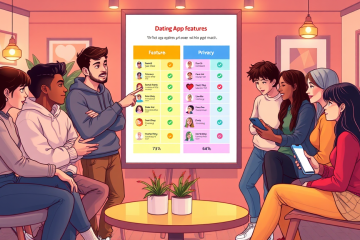
When comparing dating apps for singles, focus on the features that change your day-to-day experience, not just the brand name. The best app is usually the one that balances match quality, safety, and convenience for your goals.

Use this quick checklist before you sign up:
- Match filters for age, distance, and relationship goals
- Profile verification or photo checks
- Messaging limits, likes, or daily match caps
- Privacy controls for photos, location, and discovery
- Free vs. paid features that actually improve results
Also compare the size and quality of the active user base in your area. A smaller app can still work well if it has stronger matches, while a larger one may bring more noise and low-effort profiles.
If an app offers premium tiers, review what changes before upgrading. Some paid plans mainly improve visibility or filtering, so it helps to test the free version first and decide whether the extra control is worth the cost.
Free vs. Paid Dating App Plans: What You Actually Get
Free plans are usually best for testing the app, checking the local user base, and seeing whether the matching style fits you. They often let you create a profile, browse matches, and send a limited number of likes or messages.

Paid plans usually add more control and speed. Common upgrades include advanced filters, unlimited likes, profile boosts, read receipts, and the ability to see who already liked you.
Before upgrading, compare what you need most: visibility, filtering, or messaging flexibility. If the free version already brings solid matches, a paid plan may only be worth it when you want to save time or reduce low-quality results.
| Plan | Typical value | Best for |
|---|---|---|
| Free | Basic browsing and limited interactions | Testing the app and the local match pool |
| Paid | More filters, visibility, and messaging tools | Users who want faster, more targeted matching |
If safety is a concern, check whether premium includes verification tools or stronger privacy settings. Those features can be worth more than extras that only increase activity.
Best Dating Apps for Different Relationship Goals
Different dating apps for singles tend to work better for different goals, so start with the outcome you want most. If you want a serious relationship, apps with stronger profiles and compatibility prompts often save time.

Hinge is often a good fit for relationship-focused dating, while eharmony is commonly associated with marriage-minded users. Bumble can also work well if you want a broader pool but still prefer more intentional conversations.
For quicker matching or a larger user base, apps like Tinder may be useful, but they usually require more filtering on your side.
A simple way to narrow your choice is to test one app that matches your goal and one that gives you more volume.
- Serious dating: Hinge
- Marriage-minded: eharmony
- Broader dating pool: Bumble or Tinder
If you are unsure, review the app’s own relationship-focused matching approach before paying for premium access. That can help you avoid spending on a platform that does not match your pace or intent.
Safety, Privacy, and Scam Prevention Tips
Safety starts with protecting your personal details until trust is earned. Keep your last name, workplace, home address, and routine travel plans out of your profile and early chats.
Watch for common scam signals such as fast emotional pressure, requests for money, or excuses to move off the app too quickly.
If someone refuses basic verification, treats every question like a test, or avoids video chat after repeated attempts, move on.
Use the app’s privacy controls before you start matching. Limit who can see your profile, review location settings, and turn off features you do not need if they increase exposure.
| Risk | Safer response |
|---|---|
| Money request | Do not send funds or gift cards |
| Identity concerns | Ask for verification or video chat |
| Over-sharing | Keep contact details private |
| Suspicious behavior | Block and report the profile |
Paid plans with stronger verification or privacy tools can be worth it if you want extra control. The best choice is the one that gives you better matches without making you more visible than you want to be.
How to Create a Profile That Gets More Matches
Start with one clear photo where your face is easy to see, then add at least one full-body shot and one image that shows you doing something specific.

Profiles tend to perform better when they look natural, recent, and consistent, because people can quickly tell who you are and what your life looks like.
Keep the bio short, specific, and easy to answer. A simple question, a niche interest, or a playful detail can create a better opening than a generic list of adjectives.
Good photos and honest writing matter more than trying to look perfect. If you want more replies, show a little personality without oversharing, and make it easy for someone to start a conversation.
Use recent photos so your match experience stays accurate and safer for both people. If the app allows prompts or short answers, fill them in with something concrete instead of leaving them blank.
Common Mistakes Singles Make on Dating Apps
One common mistake is treating every app the same. Match the app to your goal, or you may end up with lots of activity and very few real conversations.

Another issue is using weak profiles that feel vague, outdated, or inconsistent. If your photos and bio do not clearly show who you are, even the best dating apps for singles can struggle to work well for you.
Singles also lose time by ignoring filters, skipping verification, or upgrading too quickly. Test before paying so you can see whether the app actually improves match quality, safety, and message flow in your area.
Finally, avoid fast decisions based only on looks or a single message. Better results usually come from a steady profile, a clear goal, and a little patience while you compare options.
How to Choose the Right App for Your Budget and Preferences
Start by deciding what matters most: price, match quality, privacy, or ease of use. The best dating apps for singles are usually the ones that fit your goal without adding features you will not use.

If you want to keep costs low, test the free version first and see how many active matches are in your area. If you want more control, compare paid tiers for filters, boosts, and verification before subscribing.
Look for an app with a simple setup and clear categories, so you can adjust your preferences quickly as you go. That kind of flexibility matters more than a long feature list you may never touch.
Test before paying is the safest rule here, especially if the app offers a trial or a limited free plan.
You can also review a trusted guide like what to look for in app features to think through pricing, controls, and must-have tools before you commit.