Dating Apps for New Matches: Find Better Options
If you are comparing dating apps for new matches, start with the features that affect your results most: matching quality, active users in your area, and how much control you have over filters.

Free plans can be useful for testing, but hidden costs often show up in boosts, rewinds, or advanced search tools, so review what is included before you commit.
See how to compare top dating apps and find your match
Discover how to stay safe and avoid wasting time on the wrong dating app
Step-by-step guide to selecting the dating app that fits your goals
Also look at safety tools, profile verification, and message controls. These details can make a big difference in whether your time leads to better conversations or just more swiping.
What New Matches Really Mean on Dating Apps
On dating apps, a new match only means both people showed enough interest to unlock a conversation. It does not guarantee compatibility, responsiveness, or real dating intent.

That distinction matters when you are comparing match quality across apps. Some platforms may give you more matches, but fewer people who actually reply, while others may produce fewer matches that lead to better conversations.
Look at what happens after the match: message rates, profile completeness, and whether the app encourages thoughtful prompts or fast swiping. Those signals often matter more than the match count itself.
If your goal is better outcomes, choose apps that help you filter for intent, location, and relationship type before you spend time on long chat threads.
Best Dating Apps for New Matches by Goal and Budget
Your best choice depends on what you want most from dating apps for new matches: more volume, better conversations, or lower cost.

If you want the widest free access, Tinder and Facebook Dating are often used for broad reach.
If you want more conversation-friendly profiles, Hinge is a strong pick, while Bumble can work well when you want a more controlled messaging flow.
- Best for budget-conscious testing: Hinge or Tinder free plans
- Best for active swiping and high volume: Tinder
- Best for more intentional chats: Hinge
- Best for a more curated feel: Bumble
Paid plans usually make sense only if you need boosts, extra filters, or more visibility in a crowded area.
Since monthly pricing can vary widely, try the free version first and upgrade only if your matches are too slow or too shallow.
Free vs. Paid Plans: Which Features Actually Increase Matches?
Free plans usually help you test the app, but they often limit the features that most directly affect new matches. If your profile is already strong, paying for visibility tools may increase exposure faster than changing photos or prompts alone.

The features most likely to help are boosts, advanced filters, read receipts, and the ability to see who already liked you.
These tools can save time and improve match quality, but only if the app has enough active users in your area.
| Feature | What it can improve | When it is worth paying for |
|---|---|---|
| Boosts | Short-term visibility | When you want more attention during peak activity |
| Advanced filters | Match relevance | When you are narrowing by intent, distance, or lifestyle |
| See who liked you | Faster matching | When you want to focus on people already interested |
| Unlimited likes or rewinds | More control | When free limits are slowing your search |
If matches are low because of a weak profile or limited local activity, a paid plan may not solve the problem. In that case, improve your profile first, then test whether the upgrade changes results.
How to Improve Your Profile for More Quality Matches
A strong profile does more than look polished; it helps you attract the people you would actually want to meet. On many dating apps, that means being specific enough to filter out casual swipers and vague enough to stay approachable.
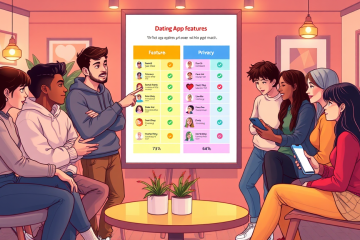
Start with clear photos, then add prompts that show your lifestyle, intent, and personality. Profiles with more complete details tend to make matching easier because they give people a reason to respond, not just tap.
- Use one recent, high-quality main photo
- Include a mix of solo and social photos
- Write prompts that sound natural and specific
- Mention what you are looking for
- Remove anything outdated or too generic
If you want a quick benchmark, compare your profile against the app’s best-performing examples and update one element at a time.
Profile completeness often matters more than clever wording, especially on apps like Hinge where the details are part of the match process.
If you are unsure what to change, the app’s own profile tips can help you align with how its matching system works: Match profile tips.
Matching Algorithms, Boosts, and Premium Tools Explained
Most dating apps rank people with a mix of activity signals, profile completeness, and engagement patterns.

That means the best profile can still get limited reach if the app thinks you are inactive or not a strong fit for nearby users.
Boosts and premium tools usually change visibility, not compatibility. They can help you get seen faster, but they work best when your profile already gives people a clear reason to match.
| Tool | What it changes | Best use case |
|---|---|---|
| Algorithmic ranking | Who sees your profile first | Long-term match potential |
| Boosts | Temporary exposure | Busy times or new profile tests |
| Premium filters | Who you can target | Narrowing by distance, intent, or lifestyle |
| See who liked you | Shortcuts matching decisions | When you want faster, lower-risk choices |
If you are paying, choose the feature that solves your real problem. For low visibility, boosts may help; for poor match quality, filters and profile edits usually matter more.
When an app offers too many paid add-ons, start small and track whether matches improve before renewing. That keeps you from paying for visibility that does not lead to better conversations.
Red Flags, Fake Profiles, and Safety Checks Before You Swipe
Before you swipe, check for signs that a profile may be fake or low-trust.

Incomplete profiles, missing photos, overly polished images, and vague bios are common warning signs that the person may not be real or may not be serious.
Pay attention to behavior after matching, too. If someone avoids a video call, asks for money or gift cards, or pushes for personal details too quickly, treat that as a strong safety signal and end the conversation.
Look for consistency across photos, bio, and messages. Genuine users usually have normal-looking profiles, clear details, and a steady conversation style, while scammers often rely on urgency, flattery, or excuses.
If an app offers profile verification, use it as part of your screening process, not as your only check.
For a more detailed checklist, review the online dating safety guidance on romance scams before you share contact info or move off the app.
How to Turn New Matches Into Real Conversations
Start with a message that references something specific in the profile, prompt, or photo. A simple opening works better than a generic hello because it gives the other person a clear reason to reply.

Keep the first exchange easy to answer, then move toward one question that reveals intent, availability, or communication style.
If the reply stays vague or delayed, do not overinvest; slow follow-up often saves time on apps where matches do not turn into real chats.
Try to set a quick pace toward either a short in-app conversation or a low-pressure next step.
The goal is not to keep every match going, but to find the ones that show real interest before you spend too much time chatting.
Common Mistakes That Lower Match Rates
One of the biggest mistakes is treating every app the same.

If you want better results from dating apps for new matches, choose the platform that fits your goal, then use its strengths instead of swiping everywhere with a generic profile.
Another common problem is a weak or incomplete setup. Profiles with missing details, vague photos, or no clear intent usually get fewer replies, because people have less reason to trust or engage with them.
Timing and activity matter too. On many apps, an inactive profile, too much filtering, or repeated low-quality swipes can reduce your visibility and make matches harder to find.
Be careful with shortcuts that promise fast results, especially paid add-ons that do not match your real issue.
If your profile is not ready, a boost may only expose a weak profile to more people; if you want a safer next step, review the app’s verification and profile rules, such as the Match profile tips.
In short, better match rates usually come from a stronger profile, a clearer target audience, and fewer unnecessary swipes.