Dating Apps for Matches: Find Better Conversations
If you want better conversations, start by choosing match quality over raw swiping volume. Profiles with clear photos, specific bios, and shared interests usually lead to easier openers and less guesswork.

Look for dating apps for matches that let you filter by intent, lifestyle, and distance, since vague settings often create more mismatches.
Choose the right app for better matches
Decide if it’s worth joining now
Pick the perfect connection app in no time
A small paid upgrade can be worth it if it gives you better filters, more visibility, or fewer interruptions from low-fit profiles.
Before committing, check how the app handles privacy, message controls, and profile verification. Low-friction safety matters because it helps you focus on real conversations instead of wasting time on questionable matches.
How Dating Apps Match People Today
Most dating apps for matches use a blend of algorithmic signals and user choices. They look at factors like profile completeness, stated preferences, activity level, and who you engage with most often.

Some apps also weigh behavior patterns, such as response speed and message exchange, to surface people who seem more likely to reply. That can improve match quality, but it can also narrow your pool if your settings are too strict.
The best results usually come from apps that make their matching logic easy to understand and let you adjust filters without forcing a pricey upgrade.
If the app hides key settings behind repeated paywalls, it may be harder to judge whether the matches are truly better or just more visible.
Best Dating App Features That Improve Match Quality
The best dating apps for matches usually do more than widen your pool. They use features that help filter out low-intent users and make it easier to spot people worth messaging.

When comparing apps, focus on the tools that shape match quality, not just popularity or download counts.
- Detailed profiles and prompts that reveal personality faster
- Smart filters for intent, lifestyle, age, and distance
- Verification badges or photo checks to reduce fake profiles
- Message controls that encourage more thoughtful first contact
- Daily match limits or curated recommendations to reduce swipe overload
Apps with stronger prompts and narrower daily suggestions often produce fewer matches, but those matches are easier to convert into real conversations. That is why many serious daters prefer platforms like Hinge or Match-style systems over endless swipe feeds.
If you want a quick quality check, review whether the app lets you adjust filters without paying, explains how recommendations work, and offers enough profile depth to judge compatibility before you match.
Free vs Paid Dating Apps: Which Option Works Better?
Free dating apps for matches are usually the best starting point if you want to test profile quality, messaging flow, and local activity before spending money.

They can work well when the app already offers decent filters and enough profile detail to judge compatibility.
Paid plans make more sense when they remove friction that affects your results, such as limited likes, hidden filters, or poor visibility. If an upgrade only adds cosmetic perks, it is unlikely to improve your conversations.
| Option | Best for | Watch for |
|---|---|---|
| Free | Trying the app, checking match quality | Limits on filters, likes, and visibility |
| Paid | Serious users who want tighter control | Costs that do not translate into better matches |
A practical rule is to stay free until you can identify a clear bottleneck. Upgrade only if the paid features directly improve the type of matches and conversations you are getting.
How to Choose a Dating App Based on Your Relationship Goal
Your relationship goal should guide the app you choose, because the best dating apps for matches are designed around different levels of commitment. A profile that says what you want upfront usually attracts better conversations and fewer mismatched expectations.

If you want something serious, look for apps known for relationship intent, stronger prompts, and profile depth.
Hinge, Match-style platforms, and apps with clear intent filters are often better for daters who want to screen for long-term compatibility before investing time.
If marriage is the goal, prioritize apps with more detailed bios, verification, and broader compatibility settings, since those features can reduce wasted chats.
For casual dating, a simpler app with active local users may work better, as long as you keep your boundaries clear.
Before paying for any upgrade, check whether the app lets you set your goal publicly and filter by it.
That single feature can save time, reduce awkward first messages, and improve your chances of getting matches that actually fit your plans.
- Serious relationship: detailed profiles and intent filters
- Marriage-minded: compatibility tools and verification
- Casual dating: active local pool and clear preferences
State your goal in your profile if the app allows it, because the right people are more likely to respond.
Common Red Flags and Matchmaking Mistakes to Avoid
One common mistake is chasing high match counts instead of readable profiles. If the bio is empty, the photos are unclear, or the intent is vague, the match may look good on paper but lead to dead-end chats.
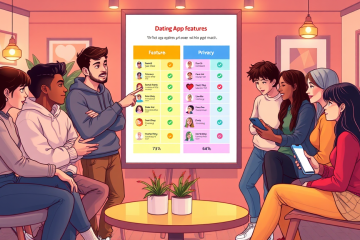
Be cautious with profiles that rush the conversation, avoid basic questions, or push you off-app too quickly. Those are often signs of low effort, poor fit, or a higher safety risk.
Another red flag is paying for upgrades before you know whether the app has enough active users in your area.
A better plan is to test free features first, then upgrade only if the app improves filters, visibility, or match relevance.
| Mistake | Why it hurts | Better choice |
|---|---|---|
| Swiping without reading profiles | More mismatches, fewer real conversations | Review intent and profile depth first |
| Ignoring safety signals | Higher chance of scams or bad interactions | Stay on-app until trust is established |
| Paying too early | Wasted cost on weak local activity | Test free mode before upgrading |
The best matches usually come from filtering out weak signals early, not trying to fix them later.
Tips to Get More Matches and Better Conversations
To get more matches, start with the parts of your profile that reduce hesitation. Use a clear main photo, add at least one detail about your interests, and mention what you are looking for so people can self-select faster.

The same idea helps conversations too: open with something specific from their profile instead of a generic greeting.
A simple question tied to a hobby, goal, or travel photo usually gets a better reply than “hey” because it gives the other person an easy path to answer.
Filter for shared goals early if you want stronger conversations, especially on dating apps for matches where intent matters. People who already align on lifestyle, relationship expectations, or core interests are more likely to keep the chat moving.
Once the message starts, stay curious and keep your replies balanced. Ask one good question, answer it yourself, and avoid turning the exchange into an interview or a one-word back-and-forth.
If you want a deeper framework for better conversation habits, this guide from Psyche offers practical ways to start more rewarding discussions.
Privacy, Safety, and Verification Features to Look For
When comparing dating apps for matches, privacy controls should be easy to find and easy to change. Look for options that hide your profile from contacts, limit who can see you, and let you control photo visibility.

Verification badges matter because they lower the chance of fake profiles and make first conversations feel more credible.
Apps that ask for photo checks or selfie verification usually create a safer starting point than apps with no identity checks at all.
You should also review message and block tools before you invest time or money. A good app makes it simple to report suspicious behavior, restrict unwanted contact, and stay on-platform until trust is earned.
Safety first is especially important if you plan to upgrade, since paid features are only useful when the user pool feels legitimate and controlled.
Top Dating Apps for Matches: What to Compare Before You Sign Up
When comparing dating apps for matches, start with the factor that most affects your results: local activity.

An app can have strong branding, but if there are few active users in your area, the matches will feel thin no matter how good the features look.
Next, compare the matching style. Apps like Hinge, Match-style platforms, and personality-led services tend to support deeper conversations, while swipe-heavy apps often favor volume over compatibility.
Also check the mix of users. Reviews and user feedback often point to differences in intent, with some apps drawing more serious daters and others producing more casual or low-effort chats.
Test before paying is the safest rule here. Use the free version long enough to judge profile quality, response rates, and whether the app’s filters actually help you find better conversations.
If you want a broader comparison of popular options and their intended use cases, Mashable’s 2026 dating app roundup is a useful starting point for reviewing the major platforms.