Dating App Comparison: Choose Smarter and Avoid Hype
A good dating app comparison starts with your actual goal: casual chat, long-term dating, or meeting people with specific values or interests.

When you match the app to the outcome you want, you avoid paying for features that do not help.
Discover how to avoid missed opportunities for better matches
See how to fine-tune your profile for better results
Find out what not to do to get more dating app matches
Look at the details that affect results most: profile quality, matching limits, message controls, safety tools, and whether the free version is usable.
Hidden costs often show up in boosts, visibility upgrades, or paywalls that make the app seem better than it is.
It also helps to compare how much effort each app requires. Some platforms reward fast activity, while others work better for people who prefer careful filtering and slower conversations.
How to Evaluate Dating Apps Before You Sign Up
Start by checking what the app actually gives you for free, because the free version often decides whether it is worth trying at all.

If you hit limits too early, the app may be designed to push upgrades before you can judge the match quality.
Next, look at profile depth, search filters, and how matches are suggested. A strong app should help you narrow results by the things that matter to you, not just keep you swiping.
Pay attention to safety tools, including profile verification, reporting options, and controls for who can contact you. If those basics feel weak or hard to find, move on before you invest time or money.
Finally, compare the price of premium features against the benefit they promise. The best choice is usually the app that makes real connections easier without forcing constant paid upgrades.
Pricing, Membership Tiers, and Hidden Costs
Pricing can look simple at first, but dating apps often split value across monthly plans, annual discounts, boosts, and add-ons. A lower monthly price may still cost more if the app limits visibility unless you pay extra.

Before upgrading, compare what each tier actually unlocks:
- More likes or swipes per day
- See who liked you
- Advanced filters or search controls
- Profile boosts or extra visibility
- Read receipts, rewinds, or messaging perks
Annual plans can reduce the headline cost, but only if you already know the app works for you. If you are still testing match quality, a short-term plan is usually safer than locking into a year.
Watch for hidden costs that are easy to miss, such as one-time boosts, premium filters, or recurring renewals that continue after the trial ends.
The best subscription pricing decisions are the ones that make total cost clear before you enter your payment details.
Match Quality, User Base, and Success Rates
Match quality matters more than match count. A smaller pool can still outperform a large one if the app attracts people who want the same kind of relationship and live close enough to meet.

Look at how the user base is shaped by age, intent, and location. Apps with broad audiences may feel active, but niche platforms often deliver better conversations and fewer mismatched chats.
Success rates are hardest to judge because apps define success differently, so focus on signals you can observe yourself. Useful signs include whether profiles seem current, conversations move forward, and matches lead to real plans instead of endless swiping.
| What to compare | What it tells you |
|---|---|
| User base size | How much choice you may have |
| User intent | Whether people want the same outcome |
| Profile freshness | How active and current the app feels |
| Local density | How likely matches are to become dates |
If an app looks busy but your matches never respond, the issue is usually fit, not volume. That is why the smartest dating app comparison weighs quality and local relevance before popularity.
Key Features That Matter Most in 2026
By 2026, the features worth paying for are the ones that improve match quality, not just activity. That means better filters, stronger verification, smarter recommendations, and controls that reduce unwanted messages.

AI-assisted prompts and profile tools can help, but only if they produce clearer profiles and fewer bad matches. If the app uses AI mainly to keep you engaged, the feature may look advanced without improving results.
- Profile verification to reduce fake accounts
- Advanced filters for intent, location, and lifestyle
- Message controls that limit spam and harassment
- Clear premium perks with measurable value
- Free tools that still let you test the app properly
The best apps now combine automation with transparency. If a platform makes it hard to see what you get, compare it against current AI capability trends and ask whether the feature is actually helping your dating decision.
Safety, Privacy, and Scam Protection
Safety should be part of every dating app comparison, not an afterthought. A better app makes it easy to verify profiles, block or report users, and control who can message you.
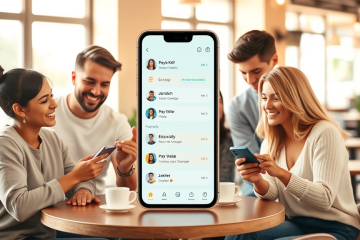
Privacy matters just as much, especially if you prefer to keep dating separate from social media or work contacts. Review whether the app lets you hide distance, limit profile visibility, or reduce data sharing before you commit.
Scams usually stand out when someone moves too fast, avoids video chat, or asks for money or personal details early. Apps with stronger moderation and clearer reporting tools can lower the risk, but no platform removes it completely.
| Feature | Why it matters |
|---|---|
| Verification | Helps reduce fake profiles |
| Blocking and reporting | Makes it easier to stop abuse |
| Privacy controls | Limits what other users can see |
| Message filters | Reduces spam and suspicious contact |
If two apps look similar on price and match quality, choose the one that gives you more control over your personal information and contact settings.
Best Dating Apps by Goal: Casual, Serious, or Niche
If your goal is casual dating, choose apps with a large, active user base and fast discovery tools.

Tinder and similar platforms can work well here because they make it easy to meet people quickly, but they can also require more filtering to avoid mismatches.
For serious dating, look for apps that encourage fuller profiles, slower swiping, and clearer intent. Hinge, Bumble, and Coffee Meets Bagel are often better fits because they tend to attract users who want more than a quick chat.
For niche dating, the best app is usually the one built around your values, lifestyle, or relationship style. These platforms can narrow the pool fast, which is useful when shared identity or preferences matter more than raw match volume.
The right choice comes down to intent fit and how much effort you want to spend filtering. A smaller, better-matched audience often beats a popular app that looks busy but wastes your time.
Before paying, test whether the app’s free version gives you enough access to judge real match quality, not just app activity.
Common Mistakes to Avoid When Choosing an App
One common mistake is choosing an app because it is popular instead of checking whether it fits your goal. A crowded platform can still be a poor match if the people there are not looking for the same outcome.

Another mistake is paying too early for premium features before you know whether the free version can produce real conversations. If the app cannot show value at the basic level, upgrades usually only make the same problem more expensive.
Do not ignore profile quality, safety tools, and local activity just because the app has a polished design.
Intent fit matters more than hype, and the best choice is the one that saves time while reducing bad matches and unnecessary costs.
Final Verdict: Which Dating App Offers the Best Value
For most people, the best value comes from the app that fits your goal with the least friction, not the one with the flashiest premium plan.

In a broad dating app comparison, Tinder can be strongest for fast casual discovery, while Hinge often feels worth paying for if you want better profiles and fewer low-quality matches.
If you want the best free starting point, OkCupid usually stands out because it gives you more ways to filter and evaluate matches before upgrading.
Bumble can also be a solid middle ground when you want a cleaner experience and more control, but premium features only matter if your local match pool is active.
The smartest move is to test one app for match quality first, then upgrade only if the free version proves it can deliver.
Avoid annual plans until you know the app is a real fit, because the cheapest-looking option is not always the best value.
If you want one rule to remember, pay for better results, not more time in the app.