Dating Apps for New Relationships: Find a Fresh Start
Starting over can feel exciting, but the best dating apps for new relationships are the ones that make it easier to meet people who want the same thing.

Look for clear profile prompts, straightforward messaging tools, and filters that help you focus on compatibility instead of endless swiping.
See how to choose the right app for better matches
Discover how to pick smarter and skip the hype
Understand how to select the best dating app for you
Before paying for premium features, check whether the app supports the kind of relationship you want, whether it has strong privacy controls, and how easy it is to remove matches or block unwanted contact.
Safety and fit matter more than flashy extras when you are trying to build something real.
A good app should help you move from first message to meaningful conversation without pressure. If it feels crowded with casual intent or confusing upsells, it may not be the right place for a fresh start.
What to Look for in a Dating App for Serious Relationships
Start with the app’s matching system. For serious relationships, look for detailed profiles, compatibility questions, and search filters that go beyond age and location.

Pay attention to how the app handles intent. Clear relationship goals, conversation tools, and prompts that encourage thoughtful replies can save time and reduce mismatches.
Also review the practical side: privacy controls, blocking options, subscription pricing, and what features are locked behind a paywall.
A good choice should feel easy to use, but also selective enough to help you avoid constant swiping and low-effort chats.
If an app makes it hard to verify intent or protect your information, it is probably not the best place to invest your time.
Best Dating Apps for New Relationships: Features That Actually Matter
The best dating apps for new relationships usually make it easy to show intent, filter for compatibility, and keep conversations moving without endless swiping.

Apps like Hinge and Bumble often stand out because they support more thoughtful profiles and have a track record of leading to actual dates.
Before you pay for any upgrade, compare the features that affect your results most:
- Detailed prompts and profile answers
- Filters for relationship goals, distance, and lifestyle
- Clear messaging tools and low-friction matching
- Safety options like block, report, and photo verification
- Pricing that matches how often you will use the app
Some apps add extras like video matching or curated introductions, but those only help if they reduce noise and improve quality.
If an app is built mostly for casual use, it may cost less upfront but take more time to produce the right connection.
For a serious fresh start, the best choice is usually the app that balances quality matches, clear intent, and privacy control.
Free vs Paid Dating Apps: Which Option Is Worth It?
Free dating apps can be a smart starting point if you want to test the waters without paying upfront. They usually give you enough access to set up a profile, browse matches, and start conversations.

Paid plans are worth considering when you want more control over who sees you, better filters, or tools that save time. They can also reduce frustration if the free version limits likes, messaging, or visibility too quickly.
| Option | Best for | Main trade-off |
|---|---|---|
| Free | Trying an app before committing | Fewer filters and more limits |
| Paid | Serious users who want efficiency | Monthly cost and feature lock-in |
The best choice depends on your goals and how often you plan to use the app. If you are still exploring, start free and upgrade only when the extra features clearly improve your matches.
How Matching Algorithms and Profile Quality Affect Your Results
Matching systems are not magic, but they do learn from your behavior. The profiles you like, skip, message, and ignore all help shape the recommendations you see next.

That means a stronger profile can improve your match quality faster than random swiping. Clear photos, specific prompts, and an honest relationship goal give the algorithm better signals to work with.
To avoid wasting time, focus on the basics that most affect results:
- Use recent, clear photos
- Write a bio that shows intent
- Answer prompts with specifics
- Keep your preferences realistic
- Review who the app is actually showing you
It also helps to stay aware of common myths, like the idea that one bad week means you are being “punished.” Most apps adjust to engagement patterns, not just appearance, so consistency matters more than trying to game the system.
If you want a practical overview of how dating platforms think about matching, this MIT Press piece on online dating algorithms is a useful starting point.
Safety, Privacy, and Scam Protection Before You Subscribe
Before you subscribe, review the app’s privacy settings and make sure you can hide your profile, limit who can contact you, and block or report accounts quickly.

If those controls are buried behind multiple paywalls, the upgrade may not be worth it.
Watch for scam signals such as requests to move off-app too fast, money stories, or profiles that avoid normal conversation. A paid plan should improve your experience, not reduce your ability to stay in control.
| Check | Why it matters |
|---|---|
| Profile visibility controls | Helps you choose who can find and view you |
| Block and report tools | Lets you act quickly if someone feels unsafe |
| Verification features | Reduces fake profiles and suspicious matches |
| Subscription terms | Shows how to cancel and what is included |
If an app feels vague about billing, privacy, or safety, pause before entering payment details. The best choice for a fresh start is the one that protects your information while still giving you room to meet real people.
How to Compare Costs, Trial Periods, and Premium Upgrades
When you compare dating app pricing, look at the real monthly cost, not just the advertised rate.
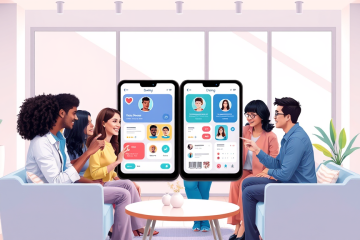
Some apps charge less upfront but limit likes, visibility, or messaging so tightly that the free version is hard to use for a serious search.
Trial periods are most useful when they let you test the features that matter, such as advanced filters, read receipts, or profile boosts. If a trial exists, make sure you understand when it ends and whether the plan renews automatically.
Upgrade only after testing whether premium tools actually improve your matches. A paid plan is worth it when it gives you better control, clearer intent, or more efficient conversations—not just more icons on the screen.
It also helps to check how easy it is to cancel and whether the app lets you switch plans without losing your profile.
For a general benchmark on how free trials can influence upgrades, this overview of plan upgrade rate explains why introductory access often increases conversions.
Common Mistakes That Slow Down Finding the Right Match
One common mistake is treating every app the same. If your goal is a real fresh start, choose intent-first apps and skip platforms that mostly reward fast swiping or casual attention.

Another slowdown is a weak profile. Vague photos, generic prompts, and unclear relationship goals make it harder for the right match to find you and easier for the wrong match to waste your time.
Many people also move too fast with premium plans. Upgrading before testing match quality, filters, and safety tools can add cost without improving results.
Rushing off-app is another problem, especially before trust is built. Keep conversations on the platform until the person feels consistent, respectful, and real.
Finally, don’t ignore your own patterns. If you keep liking the same type of profile without getting better outcomes, adjust your filters, improve your profile, and review whether the app still fits your goals.
When It’s Time to Move Off the App and Start Dating in Real Life
The right time to move off the app is usually when the conversation feels steady, mutual, and specific enough that both people are interested in meeting, not just chatting.

There is no perfect rule, but if messages are dragging on without a date plan, the connection may be stalling.
For a safe first date, suggest a public place, keep it simple, and choose a time that gives either person an easy exit if the chemistry is not there.
A short coffee, drink, or casual lunch often works better than a long evening commitment.
If someone keeps avoiding a real plan, changes the subject, or only wants attention on the app, treat that as useful information. A good match should make it easier to meet in real life, not harder.
Once you move offline, keep expectations realistic and use the date to confirm the basics: respect, consistency, and comfort.
If you want a practical guide on how to meet people beyond the screen, NPR’s advice on dating offline is a helpful reference.
That transition is the real goal of dating apps for new relationships: not endless messaging, but a clear path toward meeting someone who wants the same thing.