Dating Apps Comparison: Choose the Right Match for You
A smart dating apps comparison starts with your goal. If you want serious relationships, casual dating, or a niche community, the best choice is usually the app that matches that intent most clearly.

Next, compare the practical details that affect your experience every day: monthly price, free limits, profile quality, matching filters, and how much time you want to spend swiping.
See how to boost your match rate instantly
Discover what’s hurting your profile reach
Find out what not to do for more matches
A lower-cost app can still be the better value if it gives you better matches and fewer dead ends.
It also helps to check the profile verification options and safety tools before you commit. These features can reduce scams, fake accounts, and wasted conversations, especially if you are using multiple apps at once.
Finally, pick one or two apps to test instead of signing up everywhere. That makes it easier to see which platform feels worth paying for and which one actually brings in better matches.
What To Compare Before Choosing a Dating App
Start by checking whether the app fits your relationship intent. Some platforms are better for long-term dating, while others are designed for quicker matches or specific communities.

Then compare the parts that affect your day-to-day experience: match quality, search filters, messaging limits, and how much control you have over who can contact you.
A good app should make it easy to find relevant people without forcing you to upgrade too early.
Also review the safety tools before you pay, including verification, blocking, reporting, and photo controls. If those features are weak, even a cheap app can become expensive in time and frustration.
Finally, check whether the free version is useful enough to test the app properly. If you cannot evaluate it without paying immediately, that is a sign to compare alternatives first.
Top Dating App Categories and Who They’re Best For
Different dating apps tend to attract different users, so the best pick depends on what you want to get out of your time online.

Some apps are built for fast, casual matching, while others are better for more intentional conversations and relationship-focused dating.
Here is a simple way to narrow the field:
-
Casual and hookup-focused apps: best if you want quick matches and low-friction chatting.
-
Relationship-focused apps: better if you want stronger profiles, more filters, and people looking for something longer term.
-
Women-first apps: useful if you want more control over who starts the conversation.
-
Niche apps: a good fit if shared religion, identity, or lifestyle matters most.
-
Premium or exclusive apps: worth considering if you want fewer users but potentially more commitment to the process.
If you are unsure, start with the category that matches your intent, then compare membership size, free features, and how easy it is to spot real matches before upgrading.
That approach helps you avoid paying for an app that looks good on paper but does not fit your dating style.
Pricing, Subscription Tiers, and Free vs Paid Features
Pricing can look simple at first, but many apps use tiers that change what you can actually do. The most useful dating apps comparison looks at the real difference between free access, basic upgrades, and premium plans.

Free versions are often enough to test profile quality, search basics, and the general feel of the app. Paid tiers usually matter when you want more visibility, advanced filters, unlimited messaging, or features that help you narrow matches faster.
| Plan type | What it usually includes | Best for |
|---|---|---|
| Free | Basic browsing, limited likes or messages, simple matching | Testing the app before paying |
| Mid-tier | More filters, fewer limits, improved control | Users who want better match quality |
| Premium | Top placement, advanced tools, broader access | Frequent users who want faster results |
Before subscribing, check whether the upgrade removes a real frustration or only adds convenience. If the free version already gives you enough matches, a lower-cost plan may be the better value.
Also watch for auto-renewal settings and one-time add-ons, since those can raise your total cost quickly. The best choice is the plan that improves results without making you pay for features you will not use.
Match Quality, Success Rates, and User Base Size
When comparing apps, don’t let a big user count fool you. A larger audience can improve your odds of seeing active profiles, but match quality matters more than raw volume if you want better conversations.

Success rates are also tricky to judge because they depend on your location, age range, profile strength, and how clearly the app matches your intent.
A platform with fewer users can still outperform a bigger one if those members are more active and better aligned with what you want.
Use this quick check before upgrading:
- Look for active profiles in your area, not just total downloads.
- Check whether the app supports your relationship goal.
- Notice how many matches turn into replies, not just likes.
- Compare free testing time before paying for access.
If you want a deeper benchmark, some platforms and data tools measure match rate as the share of records or users they can successfully connect.
For dating apps, the same idea applies in practice: the best choice is the one that helps you connect with real people you actually want to meet.
In short, choose the app with the strongest combination of active users, relevant matches, and usable free features.
Safety Tools, Privacy Controls, and Scam Prevention
Safety features should be part of every dating apps comparison, especially if you plan to message new people quickly. Look for verification badges, photo review tools, block and report options, and controls that let you limit who can contact you.

Privacy settings matter just as much. The best apps let you hide your profile from searches, control location visibility, and decide what personal details appear publicly.
Scam prevention is mostly about friction: a good app should make suspicious behavior easier to spot and easier to remove. Be cautious with profiles that rush the conversation, ask for money, or avoid video calls and in-app messaging.
| Feature | What to check | Why it matters |
|---|---|---|
| Verification | Identity or photo confirmation | Helps reduce fake profiles |
| Privacy controls | Profile visibility and location settings | Limits unwanted exposure |
| Reporting tools | Easy block/report access | Speeds up response to abuse |
| Messaging controls | Who can message first | Reduces spam and scams |
If an app makes these tools hard to find, treat that as a warning sign before paying for a subscription.
Best Dating Apps for Serious Relationships vs Casual Dating
If you want a serious relationship, prioritize apps with detailed profiles, stronger filters, and users who are clearly open to dating with intent.
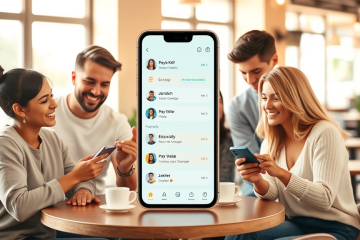
Match, Hinge, and OkCupid are often associated with longer-term dating, while women-first apps like Bumble can also work well when you want more control over the first move.
For casual dating, apps with faster browsing and a larger, more mixed audience tend to be a better fit.
Tinder is still widely used for casual connections, and many people also use Bumble for both casual and serious dating depending on how they set up their profile.
The key is not the app name alone, but the signals it sends.
A short bio, vague goals, and minimal filtering usually point to a more casual experience, while detailed prompts, relationship goals, and verification tools often attract more intentional users.
As one expert roundup notes, it can help to try a few apps before deciding which one actually fits your dating style.
That approach lowers the risk of paying for the wrong platform and gives you a clearer read on which community feels most aligned.
For a broader comparison of long-term options, see PCMag’s dating app guide.
How to Pick the Right App Based on Your Budget and Goals
If your goal is to date casually, start with a free plan on an app that already has an active user base in your area.

That lets you test speed, match quality, and conversation flow before paying for extra visibility or unlimited swipes.
If you want a serious relationship, it usually makes more sense to pay for a mid-tier or premium option only after the app proves it can deliver compatible matches.
Look for usable free features first, then upgrade only if filters, messaging limits, or profile access are holding you back.
A good rule is simple: spend more when the upgrade removes a clear bottleneck, not when it only adds convenience. If an app does not improve your results within a short trial, move on and compare another platform instead.
Common Mistakes to Avoid When Comparing Dating Apps
One of the biggest mistakes in a dating apps comparison is judging an app by its brand name instead of your actual results.

A platform that looks popular may still be a poor fit if the user base in your area is inactive or mismatched.
Another common error is ignoring profile quality. If your photos, bio, or goals are unclear, even the best app will underperform, so compare apps only after you have a profile that shows who you are and what you want.
Don’t assume more swipes or longer chats mean real progress. People often waste time talking for weeks without checking intent, which can lead to disappointment or love bombing.
Finally, avoid paying too early. Test the free version first, watch for hidden limits, and choose the app that gives you the best mix of safety, match quality, and value.