Dating App Worth It: How to Decide Before You Join
Deciding whether a dating app worth it comes down to your goals, your budget, and how much effort you can realistically put in.

If you want more control over who you meet, apps can save time; if you want low-pressure, organic connection, they may feel frustrating.
See how to seize every opportunity and land better matches
Discover how to optimize your dating profile for fast matches
Understand how to boost your profile SEO for more views and revenue
Before you pay, check the basics: profile quality, matching filters, safety tools, and how many features are locked behind a subscription. Hidden costs matter, especially if boosts, messaging limits, or premium search tools are needed to get real results.
A good app should fit your dating style, not force you to adapt to bad matches or endless swiping.
If the platform looks crowded with inactive profiles, weak verification, or too many paywalls, it may be better to try a different option first.
What You Actually Get From a Dating App
A dating app usually gives you three things: access, filtering, and speed. You can reach more people than you would offline, narrow matches by preferences, and start conversations without waiting for a chance encounter.

The tradeoff is that convenience can come with low-quality attention, especially if profiles are incomplete or people are not serious.
That is why the real question is not whether the app works, but whether the matches and features match your goals.
If you are comparing options, look at how much is available for free, what requires payment, and whether the app helps you move from swiping to actual dates.
A better app should reduce wasted effort, not add another layer of time and cost.
How Much Dating Apps Cost and Which Plans Are Worth Paying For
Most dating apps are free to download, but the useful features usually sit behind a subscription. In general, premium plans can run from about $10 to $50 a month, while some weekly plans cost more if you only subscribe briefly.

The best value is usually not the cheapest plan, but the one that matches how often you use the app and what you need most.
- See the typical cost range for popular apps
- Pay only if you need more visibility, better filters, or unlimited messaging
- Avoid short-term plans unless you plan to use the app heavily right away
- Test the free version first so you know what is locked
If an app limits discovery too much without payment, a premium plan can make sense. But if you are still getting few matches because of profile quality or location, paying may not change much.
For most people, a month is enough to judge whether the upgrade improves match quality, saves time, or simply unlocks features you already expected for free.
Free vs Paid Features: What Changes Your Results
Free features usually let you build a profile, browse matches, and get a feel for the app’s quality. That is enough to tell whether the platform has active users, decent filters, and profiles that seem serious.

Paid features tend to change results only when they solve a real bottleneck, such as limited messaging, weak search controls, or low visibility in crowded markets.
If your matches improve only when you can reach more people faster, the upgrade may be worth testing.
| Feature type | What it changes | Best use case |
|---|---|---|
| Free | Basic matching and browsing | Testing app quality and local activity |
| Paid | More filters, visibility, and messaging access | Users who are ready to message and narrow results |
Do not pay just to see more profiles if the core issue is weak photos, vague prompts, or a small local pool.
The best upgrade is the one that removes a specific obstacle to getting dates, not the one that simply adds more swiping.
Who Gets the Best Results on Dating Apps
The best results usually go to people who have a strong profile, clear intentions, and enough local activity to keep matches moving. That is why Tinder, Hinge, and Bumble often work better in busy markets with a large user base.

If your photos are sharp, your prompts are specific, and you reply quickly, you are more likely to turn matches into conversations. Profile quality matters more than the app name for many users.
People also do better when they match the app to their goal:
- Serious dating works better on apps with detailed profiles and better filters.
- Casual dating tends to perform better where there is high activity and fast browsing.
- Smaller cities may need a larger app with more users to avoid dead ends.
As one practical guide to success, look for the app that gives you the most engagement, not just the most swipes.
If a platform is active but your results stay weak, the problem may be your presentation, your location, or the app’s audience mix rather than the subscription itself.
Red Flags, Scams, and Hidden Downsides to Watch For
Even if an app looks polished, watch for fake profiles, repetitive messages, and anyone who avoids basic details.

If every chat pushes you to move off the app too quickly, asks for money, or refuses a video call, treat that as a serious warning sign.
Some downsides are less obvious and still matter. A platform can drain time with endless swiping, buried paywalls, or misleading “likes” that do not lead to real conversations.
| Risk | What to look for | Why it matters |
|---|---|---|
| Scam behavior | Money requests, urgency, off-app pressure | Can lead to fraud or unsafe contact |
| Low-quality matches | Inactive profiles, copied messages, weak filtering | Reduces real dating value |
| Hidden friction | Paywalls for messaging or visibility | Raises the true cost of use |
If the app creates more caution than confidence, it may not be dating app worth it for you. The safer choice is the one that protects your time, budget, and personal information.
How to Choose the Right Dating App for Your Goals
The right app depends on what you want most: serious dating, casual chats, or a broader pool of people to meet.
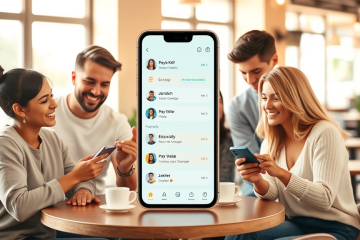
If you want more intentional matching, apps with detailed profiles and prompts can be a better fit than fast-swipe platforms.
For example, some users prefer apps like OkCupid because they combine swiping with deeper questions and match suggestions, while others choose apps with stronger relationship-goal filters so intentions are clearer from the start.
Also think about your local market.
In smaller cities, a larger app may be worth it simply because it gives you more active users, while in busy areas you may get better results by choosing the app that matches your dating style.
Match intent first, then compare features, pricing, and audience quality before you commit.
If you are still unsure, test two apps for a short period and track which one gives you better conversations, fewer dead ends, and more real date requests.
Tips to Improve Matches, Replies, and Dates Without Overspending
Start with the parts of your profile that create the biggest return: one clear photo, one strong bio line, and prompts that make it easy to reply.

Small upgrades often beat premium add-ons when your profile is already getting some attention.
If matches are slow, change one variable at a time so you know what helped. Try better photos, a more specific opener, or a tighter age and distance range before paying for boosts.
Reply speed matters too, because delayed responses can kill momentum even when the match is good.
Use paid features only when they solve a real problem, such as low visibility or limited messaging.
If they do not lead to more conversations or dates within a short test period, the app may not be dating app worth it for your situation.
When a Dating App Is Worth It—and When It Is Not
A dating app is usually worth it when it gives you access to active users you would not meet otherwise, and when your profile, photos, and filters are already in good shape.

That is why many people find value on popular apps like Tinder, Bumble, or Hinge when they live in a busy area and know what they are looking for.
It is not worth it when the app creates more frustration than progress, especially if you are seeing few matches, repetitive chats, or a lot of inactive profiles.
In that case, the issue may be the platform, the local user pool, or the fact that paid features are not fixing the real bottleneck.
For serious dating, a more intentional app can be a better fit than a fast-swipe platform, and for casual dating, activity level matters more than advanced filters.
If you want a quick reality check before paying, compare the free version, test one month, and track whether the app leads to better conversations and actual date requests.
If you want a broader look at how people weigh the tradeoffs, this overview of dating app pros and cons can help you compare options before you commit.