Dating App Comparison: Find the Best Match for Your Moment
A smart dating app comparison starts with your goal, not the biggest name in the market. If you want casual chats, serious dating, or a niche community, the right app can save time and reduce frustration.

Look closely at subscription cost, profile quality, matching filters, and message limits before you commit. A free plan may be enough to test the experience, but paid tiers often add better visibility and more control over who you meet.
See how to improve your match rate with our app
Discover how to avoid small profile mistakes that hurt your matches
Step-by-step guide to fine-tuning your profile for better results
It also helps to check safety tools, verification options, and how easy it is to cancel. The best match is usually the app that fits your budget, your comfort level, and the kind of connection you actually want.
How the Top Dating Apps Compare on Features, Audience, and Success Rates
When you compare the top apps, start with who it attracts and how that shapes the conversations you will get.

Some platforms lean toward casual dating, while others tend to draw people who want long-term relationships, stronger profiles, or a more selective match process.
Feature sets can change the experience just as much as audience. Advanced filters, prompts, read receipts, and video tools may help you screen matches faster, but they can also be tied to paid plans or stricter usage limits.
Success is usually less about one app being “best” and more about fit: your location, age group, budget, and how active you are.
If an app gives you better matches, fewer fake profiles, and clearer intent, it is often the stronger choice even if it has fewer total users.
Pricing Breakdown: Free Plans, Premium Tiers, and Hidden Costs
Most dating apps use a freemium model: you can sign up, browse, and sometimes message for free, then pay for extra visibility or more control over matches.
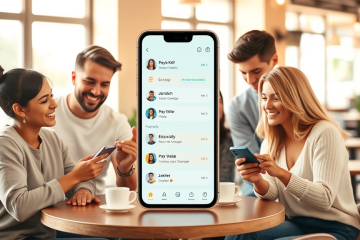
Free plans are useful for testing the audience and interface, but they often come with limits on likes, swipes, filters, or message access.
Premium tiers usually add practical advantages rather than guaranteed results. The main value is often better matching tools, travel or location options, profile boosts, and the ability to see who liked you before you commit time to each match.
Before subscribing, check for costs that are easy to miss:
- Auto-renewing monthly billing
- Boosts, super likes, or other one-time add-ons
- Price differences by age, region, or subscription length
- Cancellation rules and refund limits
For a quick billing-policy example, Hulu notes that subscriptions can be changed without long-term commitments or cancellation fees, which is the kind of clarity worth looking for before paying for any app.
If the pricing page is vague, that is often a sign to slow down and compare alternatives.
Best Dating Apps by Goal: Casual Dating, Relationships, and Niche Matches
The best app depends on the outcome you want. A casual-dating app usually works best when you want fast browsing, simple discovery, and fewer barriers to starting conversations.

For relationships, look for stronger profiles, intent-based prompts, and filters that help narrow down people who are serious. These apps can take longer to use, but they often reduce low-quality matches and save time.
Niche apps are worth considering if shared identity, faith, lifestyle, or a specific interest matters to you. They may have smaller pools, but the matches can feel more relevant and the profile setup may reveal more about compatibility.
| Goal | What to prioritize | Main trade-off |
|---|---|---|
| Casual dating | Low friction, active user base, easy messaging | More unfiltered matches |
| Relationships | Intent filters, detailed profiles, safety tools | Slower matching process |
| Niche matches | Community focus, specific filters, shared values | Smaller pool of users |
If you are unsure, start with the goal that matters most right now and test one app before paying for multiple plans. That makes the dating app comparison simpler and helps you judge fit with less wasted time.
Match Quality and User Experience: Filters, Algorithms, and Profile Tools
Match quality usually comes down to how well an app balances filters, recommendations, and profile depth.

Good apps do more than show a big pile of people; they let you narrow by distance, age, intent, and other basics without making the search feel clunky.
Behind the scenes, many platforms use algorithms that prioritize profiles based on your behavior and stated preferences, which can improve relevance over time.
That is helpful, but it also means your experience may change depending on how active you are and how clearly you set up your account.
Before committing, check whether the app gives you:
- Predictable filters with no confusing labels
- Enough profile fields to show what matters
- Prompts or questions that reduce low-effort matches
- Search tools that make it easy to refine results fast
If an app hides useful controls behind a paywall, that can be a real decision point.
For a deeper look at why filters and faceted search matter in user experience, Nielsen Norman Group’s guidance on filter categories is a solid reference.
Safety, Privacy, and Verification Features to Look For
Safety features can matter as much as match quality, especially if you plan to chat quickly or meet in person.

In a dating app comparison, look for photo verification, profile reporting, blocking tools, and options that let you hide sensitive details like your last name or workplace.
Privacy controls are worth checking before you pay. The better apps usually let you limit profile visibility, control who can contact you, and review what data is shared with other users.
Verification is most useful when it is visible and easy to understand. If an app makes identity checks optional, see whether verified profiles are clearly labeled so you can screen for them faster.
Here is a simple way to compare trust features:
| Feature | Why it matters | What to check |
|---|---|---|
| Photo verification | Helps reduce fake profiles | Clear badge or label |
| Reporting and blocking | Lets you act on bad behavior | Easy access in chat and profile |
| Privacy settings | Limits unwanted exposure | Profile visibility and contact controls |
What to Watch Out For: Bots, Fake Profiles, and Subscription Traps
One of the biggest red flags in any dating app comparison is a pattern of generic messages, fast-moving conversations, or profiles that seem oddly polished but never get specific.

Bot accounts and fake profiles are often used to make an app look busier than it really is, which can lead to wasted time and more pressure to upgrade.
If a match pushes you off-platform quickly, avoids video chat, or asks for money, treat it as a warning sign.
Also watch the subscription details before you pay. Look for auto-renewal terms, hard-to-find cancellation steps, and premium features that sound useful but do not meaningfully improve your chances of meeting real people.
A good rule is to test the free version first, then compare the quality of replies, not just the number of likes.
If the app is full of low-effort matches or the pricing feels unclear, it may not be worth the upgrade.
For a practical checklist on spotting suspicious accounts and scam behavior, this guide to identifying fake accounts is a helpful reference.
How to Choose the Right Dating App for Your Budget and Dating Style
Start with your budget ceiling and your main dating goal.

If you want to keep costs low, a free plan with solid filters may be enough; if you want faster sorting and better visibility, a paid tier can be worth testing for one month.
Match the app to your style of dating. People who like quick conversations may prefer low-friction apps, while those who want more serious connections usually get better results from platforms with detailed profiles and stronger intent signals.
Test before paying is the safest approach. Use the free version long enough to judge reply quality, profile relevance, and how often you see the kind of matches you actually want.
If an app feels active but produces weak conversations, unclear pricing, or too many upsells, move on. The best choice is usually the one that fits your spending limit, your comfort level, and the pace you want from dating.
Final Verdict: Which Dating App Offers the Best Value
The best value usually comes from the app that gives you the strongest mix of match quality, usable free tools, and clear pricing.

For many users, that means trying the free version first and only upgrading if the paid features solve a real problem.
If you want broader reach and fast activity, Tinder can still be a practical pick.
If you care more about detailed profiles and better filters, many reviewers and users point to Hinge or OkCupid as stronger value options, especially when you want fewer low-effort matches.
For serious daters, premium can make sense when it improves visibility, filters, or time savings. But the app is only worth paying for if the free experience already shows real potential and the upgrade removes a specific limit.
Test one month is the safest approach, then judge the app by reply quality, match relevance, and how easy it is to cancel.
For a useful overview of cancellations and subscription controls, review the Google Play subscription help page if you manage your plan through Android.
Bottom line: the best value is not always the cheapest app, but the one that consistently delivers better matches for your budget and dating goal.